How to Budget for Home Additions: A Step-by-Step Guide
How to Budget for Home Additions: A Step-by-Step Guide
Blog Article
By adding home extensions, you can greatly boost your living space's functionality and overall market value, perfect for families that are expanding or those engaging in new hobbies. This involves enlarging your home through various methods, from simple areas of extension to entirely new constructions. These enhancements not only increase your property’s value but also elevate your personal experience within your living environment. Finding the right contractor for home additions is essential. A reputable contractor with local experience will ensure quality craftsmanship and effective communication, helping your project stay on track. Having a clear understanding of the remodeling process will aid homeowners in making wise decisions and foster confidence throughout the journey this website. Opting for home additions can offer countless advantages. Firstly, by creating extra space, families have the opportunity to stay in their treasured homes rather than facing the daunting costs and pressures that accompany moving. Whether it involves building a new bedroom, extending a kitchen, or designing a deck for outdoor fun, additional areas can improve both comfort and utility, catering to the shifting needs of family life. Moreover, home additions can significantly boost the property’s market value. Purposefully designed expansions, especially when performed by qualified contractors, can appeal to interested buyers if you choose to sell your home later. Features like multiple bathrooms or large kitchens are often in high demand, making your property more attractive in a tight market. Displaying a well-executed addition can serve as an enticing selling point for prospective purchasers. Overall, these improvements can enhance the living experience tremendously. Whether incorporating a small bump-out for more seating or a large and functional kitchen where families can easily gather, such changes promote stronger connections and unforgettable experiences. For anyone considering a project, a range of insights and information is available. Picking a proficient contractor is often the most vital step in the home addition process. Begin by researching local experts known for their home improvement work. Look for contractors who specialize in your desired type of addition and have been verified through customer reviews or referrals. Meeting with them personally helps gauge their understanding of your vision, communication skills, and overall professionalism. Evaluating past projects is critical to assessing potential candidates. A strong portfolio of previous work not only reflects their competency but also helps identify their design style and execution quality. Arrange for consultations with a couple of contractors, allowing you to compare responses and proposals. Make sure to discuss your budget openly—transparent communication regarding costs ensures both parties are aligned. Contractual agreements should clearly outline expectations regarding timelines and financing plans. Comprehending the costs involved in home additions is vital for successful financial planning. The total expense of the project is typically influenced by several factors, such as the overall size, the intricacy of the design, the construction site location, and the chosen materials. Generally, homeowners can expect to spend between $20,000 for modest additions and more than $100,000 for extensive enhancements or premium finishes. Moreover, labor rates can vary depending on contractor skills and local market conditions. For a more precise estimate, it’s beneficial to collect numerous quotes from established contractors. This practice will not only clarify the various costs involved but also allow for collecting innovative ideas from multiple experts. Be aware that unpredicted situations may develop during construction, potentially increasing financial outlay. For this reason, it's prudent to designate a contingency budget of around 10-20% to accommodate unforeseen expenses. Furthermore, familiarizing yourself with permits and zoning regulations can help mitigate delays and additional costs, contributing to a more efficient building process. For comprehensive insights on the subject, visiting a reference like home addition is advisable. It offers thorough explanations of the process, various types of improvements, and necessary practical guidance.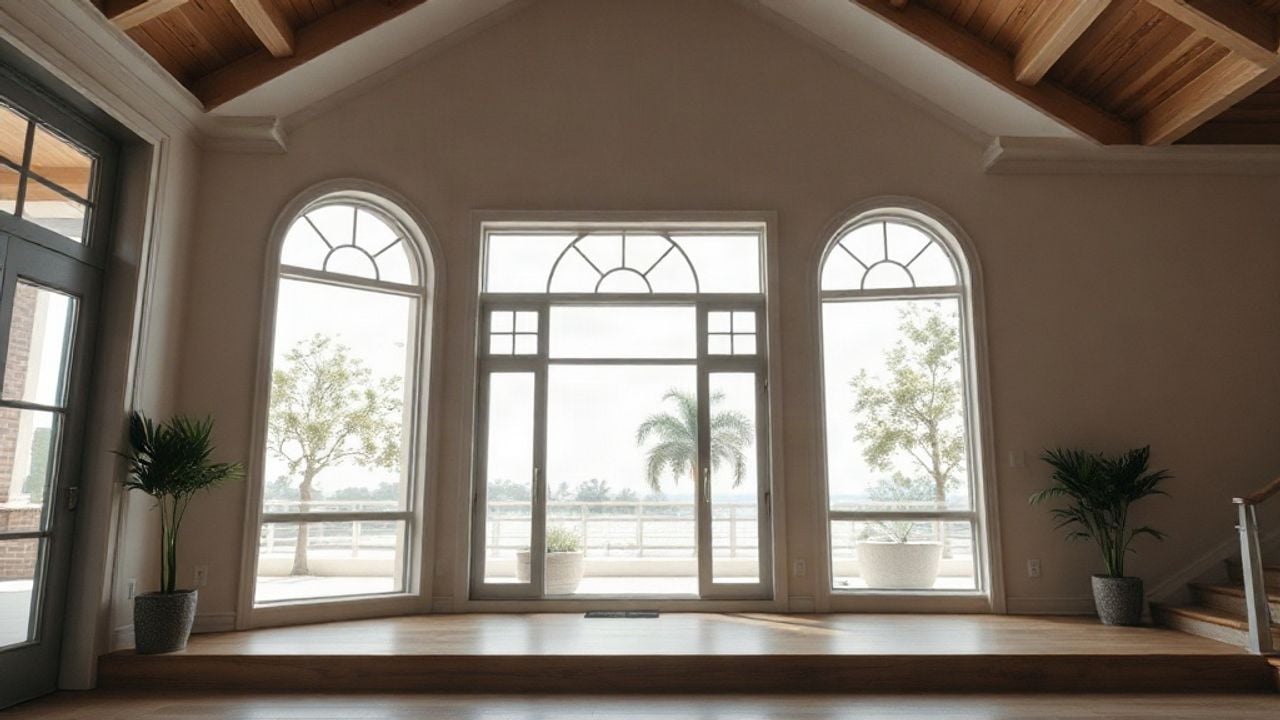 fort wayne best Home Additionsbathroom remodeling contractor near me
The Benefits of Home Additions
Choosing the Right Contractor for Your Home Addition
The Expenses Related to Adding a Home Addition
Home Additions
Steps Involved in the Home Addition Process
- Define your goals: Identify the purpose of your addition, such as extra bedrooms or increased living space, to guide the design process effectively.
- Research local zoning laws: Investigate regulations governing home expansions in your area to ensure compliance and avoid legal complications.
- Draft a budget: Create a detailed budget covering materials, labor, permits, and utility connections to account for all necessary expenditures.
- Gather design ideas: Collect inspiration from various sources, including magazines, online platforms, or even other homes, to clarify your vision.
- Meet potential contractors: Reach out to contractors whose work aligns with your vision. Discuss ideas, ask for portfolios, and review customer feedback to gauge their qualifications.
- Finalize and initiate construction: Once you’ve selected your contractor, finalize the plans, sign contracts, and prepare for the construction process, keeping open communication with your builder throughout.
Helpful Tips for a Successful Home Addition
Effective planning is the key to enjoying a seamless home addition experience and achieving the desired outcome.
- Consider energy efficiency: Incorporate energy-efficient materials and systems to lower long-term costs and elevate comfort.
- Incorporate natural light: Design windows thoughtfully to create bright, inviting spaces and improve mood within the home.
- Seamless integration: Ensure that the design fits harmoniously with your existing architecture and style to maintain property aesthetics.
- Use quality materials: Investing in durable materials can significantly reduce maintenance needs and increase longevity.
- Stay organized: Keep a detailed schedule of tasks, deadlines, and communications to manage the project effectively.
Frequently asked questions
What is Home Additions?
Home additions refer to expanding existing structures, including building new rooms or modifying layouts to enhance a property's functionality and space.
How do I choose a Home Additions provider?
Research local contractors with solid credentials, assess past work through portfolios, and engage in consultations to determine compatibility and expertise.
How much does Home Additions cost?
Costs of home additions vary widely based on size and complexity but typically range from $20,000 to $100,000 or more.
Embarking on a home addition project can immensely improve your living experience while adding significant value. When approached methodically and with the right expertise, the journey can be rewarding and fulfilling. Be proactive in defining your vision and enlisting the right contractor.
Your home's value, functionality, and your family's quality of life can flourish with a successful addition. Embrace the possibilities and make the most of your space.